Ring Puzzle Game
Ring Weave is a rotating rings puzzle with strong logic depth. If you search for ring puzzle, ring logic puzzle, or ring-based strategy gameplay, this design is a standout option.
What Defines a Good Ring Puzzle
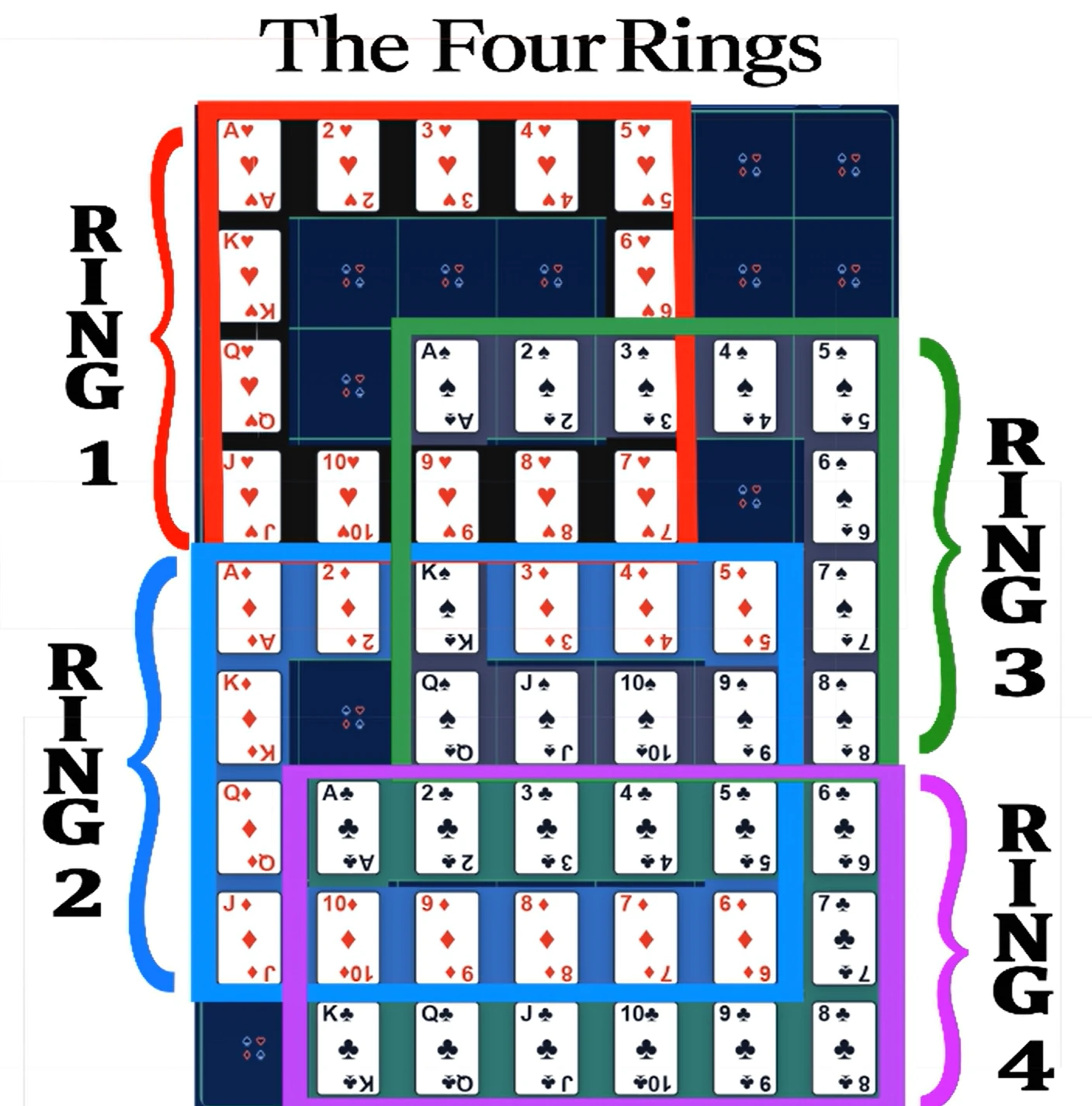
A strong ring puzzle game must do more than spin objects on screen. It needs meaningful constraints, clear feedback, and decisions that change long-term outcomes. Ring Weave satisfies these requirements by combining three systems: local ring rotation, controlled links between rings, and strict suit sequence goals. Every move is small, but the cumulative effect is significant.
In many rotating rings puzzle designs, complexity is mostly visual. In Ring Weave, complexity is structural. A card moved at the wrong time can block future paths and force a full reorganization. A card moved at the right time can unlock multiple sequence steps and reduce total move count. That cause-and-effect pattern is why the game behaves like a genuine ring logic puzzle instead of a superficial spinner mechanic.
Rotating Rings Puzzle Mechanics in Action
Ring rotation is not random motion. It is a state control tool. When you rotate one ring, you are changing gate exposure, sequence alignment, and transfer windows. The board can look similar before and after a rotation, yet the reachable next moves can be completely different. Skilled players read these hidden differences and rotate with intent.
The linked transfer layer increases complexity in a useful way. Instead of allowing unrestricted movement, Ring Weave forces you to choose when to connect rings and when to stay local. That keeps the ring puzzle game fair while preventing trivial shortcuts. You can create powerful transfers, but only if you prepare positions correctly first.
- Local rotation optimizes short-range sequence order.
- Linked transfer solves cross-ring blockages.
- Combined use of both systems creates advanced ring logic puzzle depth.
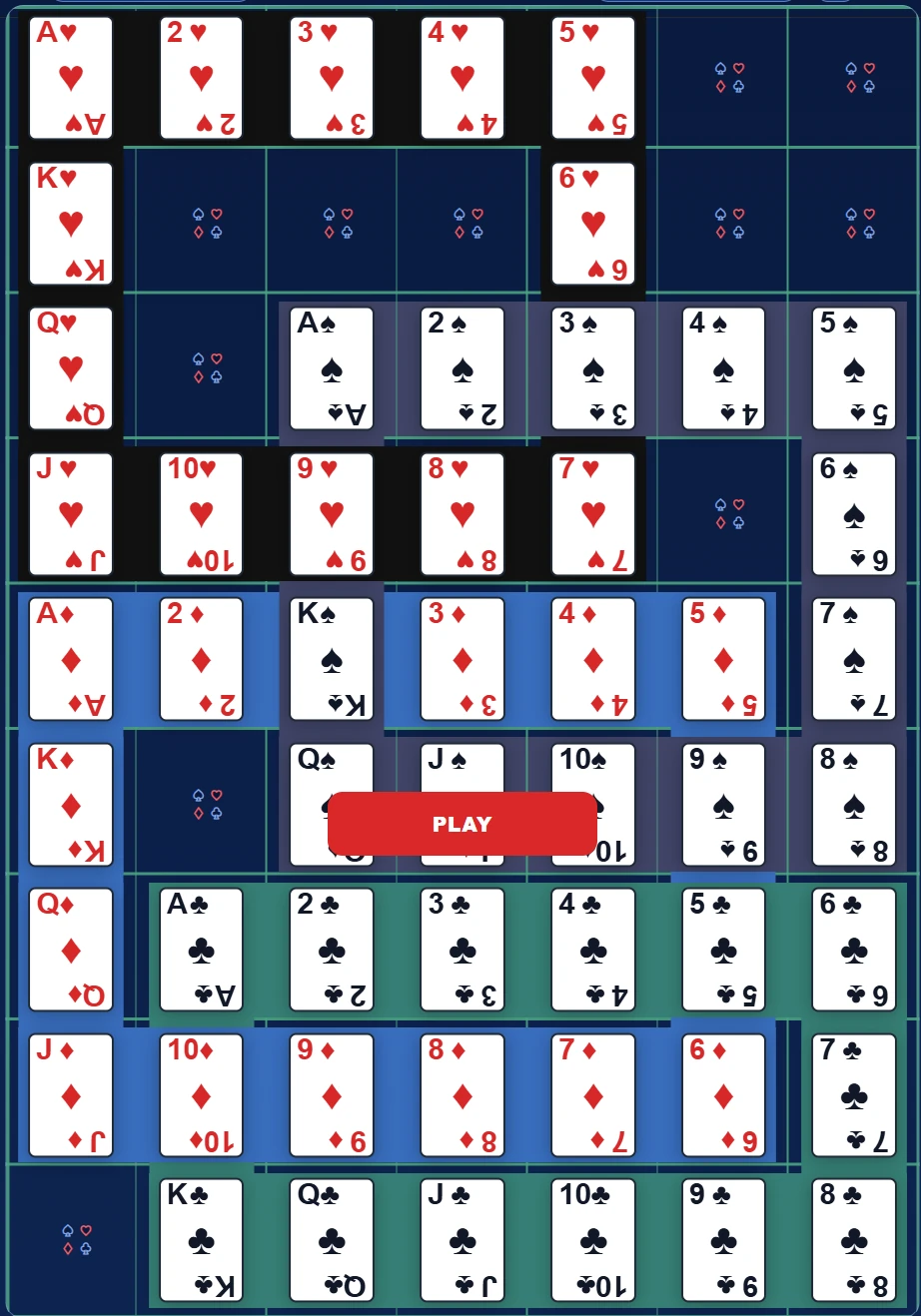
Images and Gameplay Snapshot
How to Improve in This Ring Logic Puzzle
Improvement comes from reducing unnecessary motion. New players often rotate and relink too frequently without a precise sequence objective. A better approach is move compression: each move should either improve sequence order, open a transfer path, or preserve a near-complete lane. If a move does none of these, skip it.
Another strong habit is ring ownership by phase. During one phase, designate one ring as your active workspace and one as support. This limits noise and helps you track consequences. Once you gain structure, switch ownership deliberately rather than reactively. These habits convert a difficult rotating rings puzzle into a manageable logic workflow.
This page targets high-intent keywords such as ring puzzle, rotating rings puzzle, and ring logic puzzle while staying tied to practical gameplay execution.