Ring Weave Sequence Puzzle
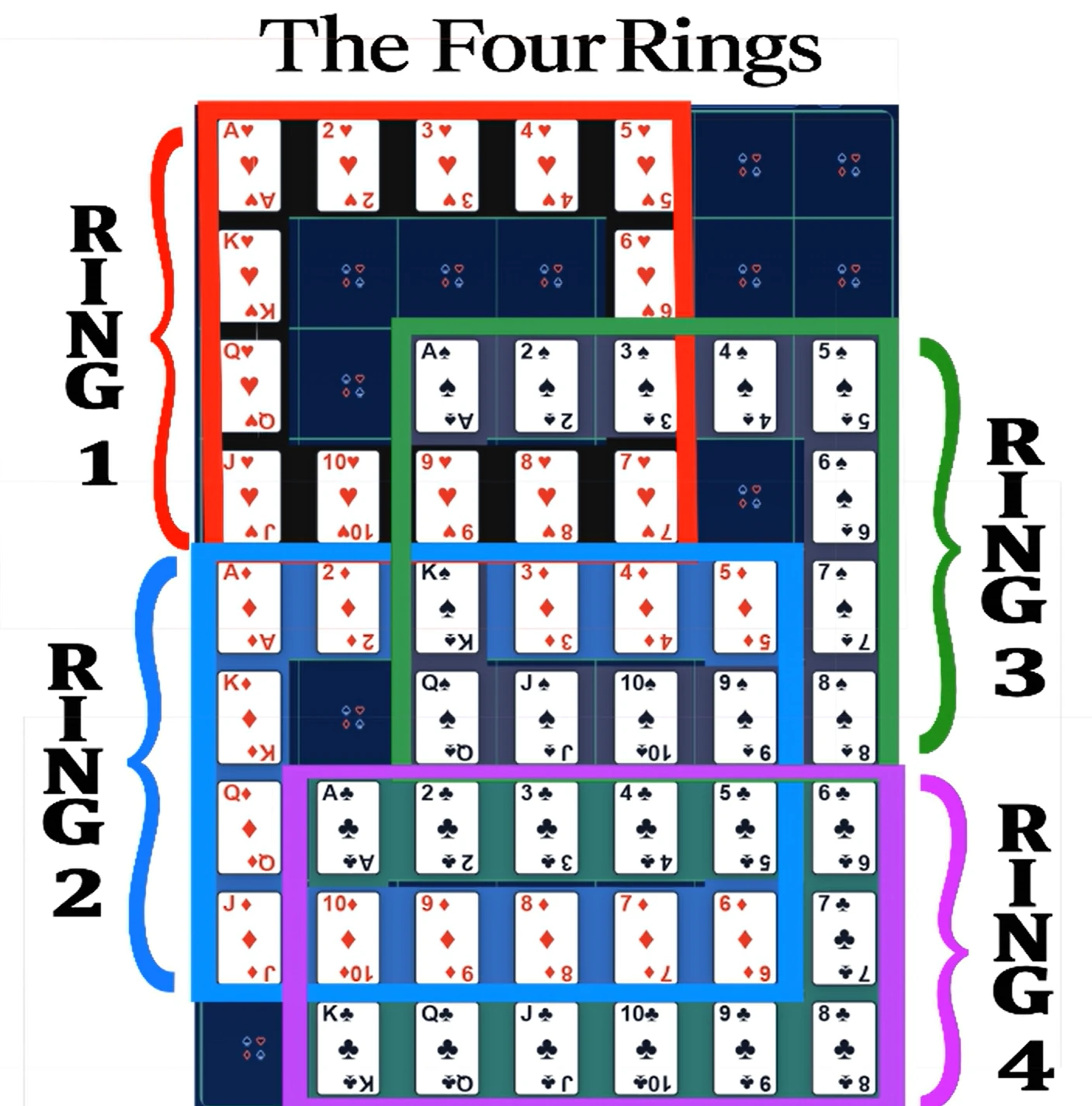
Ring Weave is a sequence puzzle built around a unique concept: sequence building across rotating rings. Every meaningful move depends on order, timing, and path awareness.
What Makes This Sequence Puzzle Different
Traditional sequence games usually operate on a static layout where cards are moved across fixed lanes. Ring Weave changes that by making the lanes themselves dynamic. Rings rotate, positions shift, and connection points open or close depending on how you engage the system. This means sequence quality is not only about what card comes next, but also about where that card can be routed at that moment.
The phrase sequence building across rotating rings describes the core challenge precisely. You are not merely assembling ranks in order. You are assembling order while continuously changing the topology of the board. That turns a simple rank problem into a layered puzzle of movement economy, path prediction, and transfer timing.
Sequence Logic in Real Runs
Strong runs usually begin with a sequence-first mindset. Instead of chasing every possible transfer, prioritize one sequence that can be stabilized quickly. The earliest objective is to reduce ambiguity: when one lane becomes predictable, every later transfer is easier to evaluate. Once the first lane is stable, expand into a second lane with minimal disruption to the first.
In the mid-game, most errors come from breaking structure for short-term gains. A transfer that looks useful now can destroy two future sequence opportunities. To avoid this, evaluate moves with a two-step check: does this transfer improve immediate order, and does it preserve ring alignment for the next rank? If either answer is no, delay the move.
- Build one dependable sequence early.
- Use linked transfers only when they improve both current and next rank flow.
- Rotate for structure before rotating for speed.
This pattern is why advanced players often finish with fewer wasted moves. They treat Ring Weave as a sequence puzzle first and a movement puzzle second, even though both layers are active at once.
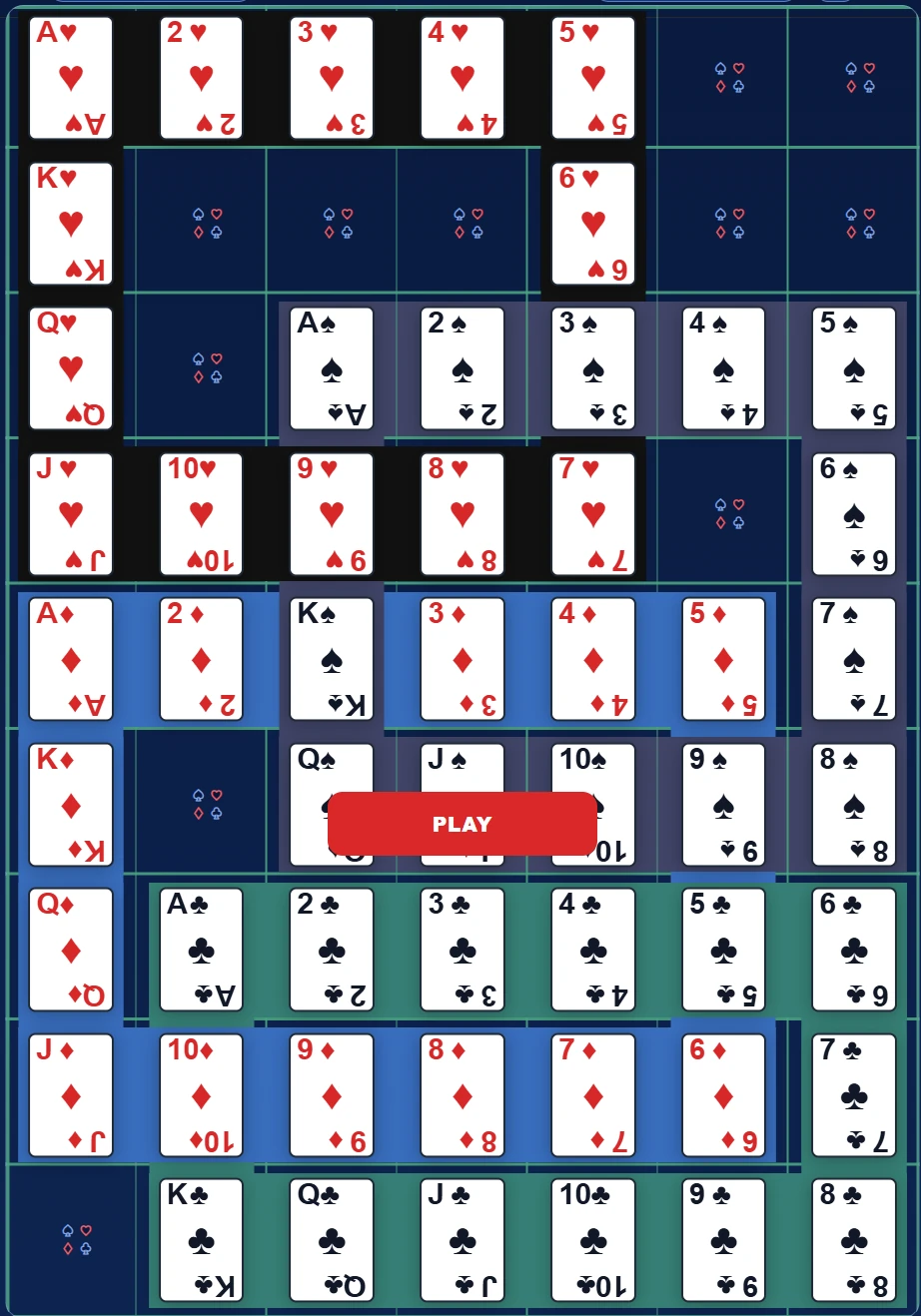
Images and Sequence Mapping
Advanced Sequence Strategy
Late-game Ring Weave is where sequence discipline matters most. The final ring often contains mixed priorities: one card may complete a lane while another card prevents future transfer access. Experienced players handle this by ranking move value. Moves that preserve path flexibility usually beat moves that create a short-term visual improvement but reduce future options.
One practical tactic is to identify sequence anchors: cards or positions that should rarely be disturbed once established. Anchors reduce cognitive load and prevent accidental collapse of near-complete lanes. Another tactic is controlled reset: if the board becomes noisy, spend several moves rebuilding clean alignment before attempting new links. This approach feels slower, but it often shortens total completion time by preventing long recovery loops.
From an SEO perspective, this page targets sequence puzzle intent through concrete mechanics and gameplay examples, rather than generic puzzle advice. That matches players looking for a sequence-driven ring system with real strategic depth.
Why This Page Is Separate
The sequence-puzzle page exists to isolate the rotating-ring mechanic from the broader Ring Weave overview. That gives the cluster a distinct destination for users who want the mechanics first, not just the main game launch page.